A New Year, A Renewed Commitment at Austin SCSEP
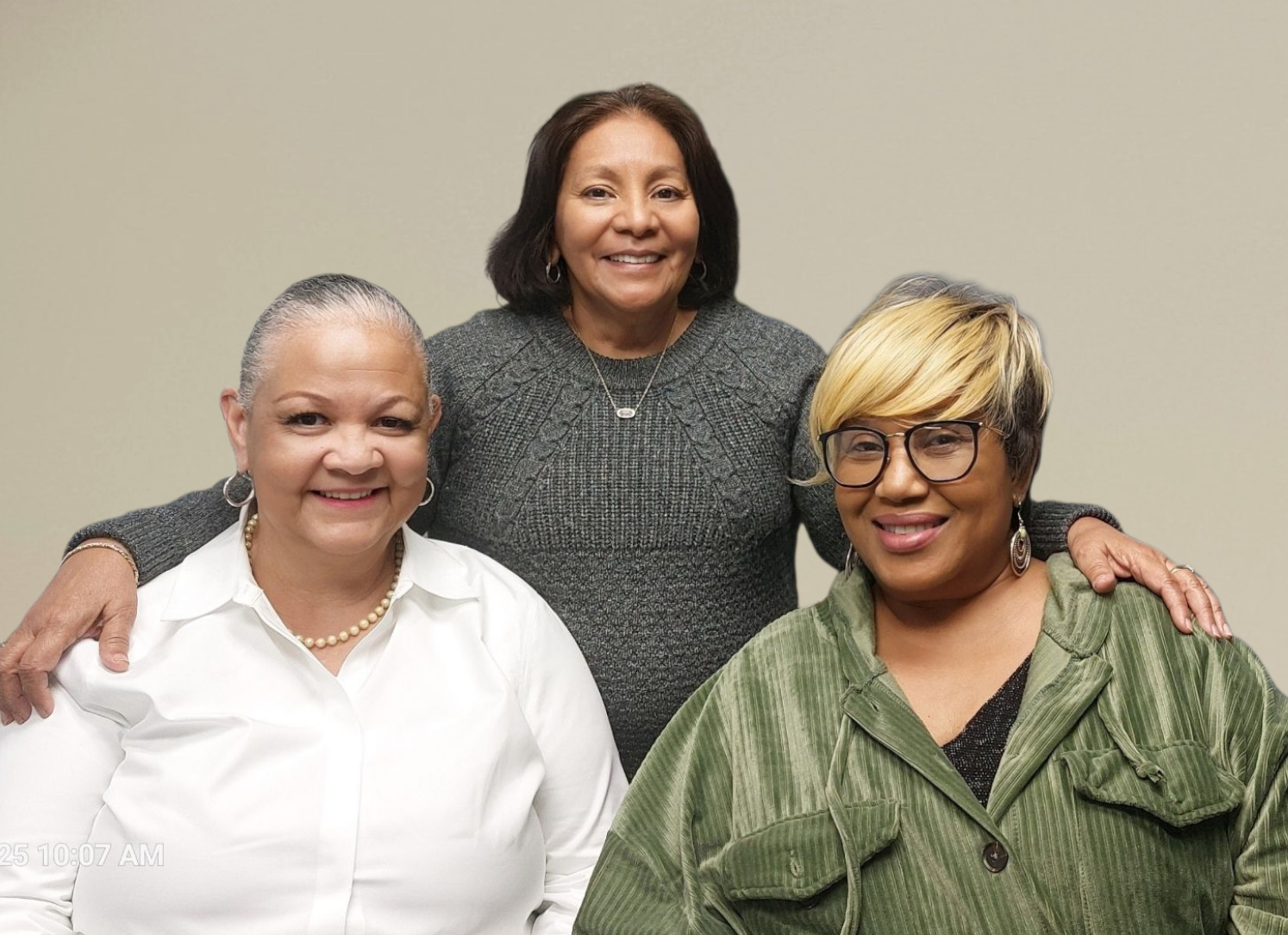
As we begin a new year, we take a moment to recognize three people whose dedication helps turn opportunity into reality for older adults across Central Texas. At the Austin AARP Foundation Senior Community Service Employment Program (SCSEP), staff members work every day to support individuals age 55 and older as they build skills, gain paid job training, and move toward unsubsidized employment.
Three outstanding women play an essential role in ensuring the program operates smoothly and that participants feel supported at every step of their journey.
Mae Miller, with over three years of experience in the program, serves as the Office Receptionist and supports various aspects of daily office operations. Often, the first person participants meet, Mae’s consistently positive attitude and welcoming presence help create a comfortable, respectful environment. Her attention to detail and willingness to assist wherever needed contribute to the smooth flow of office activities and a strong sense of community within the program.
Gail McClaurin, who has been with SCSEP for over a year, serves as the Lead Intake Specialist. Gail works closely with new applicants, gathering essential information and ensuring they meet program eligibility requirements. Her thoughtful and organized approach helps participants begin the program with clarity and confidence, setting the stage for successful training experiences.
Susie Vasquez, also with more than a year in the program, serves as an Intake Specialist and oversees participant payroll-related activities as Payroll Specialist. In addition to supporting new enrollees, Susie ensures that participants are paid accurately and on time—an essential function that allows them to focus on learning new skills and preparing for long-term employment.
Together, Mae, Gail, and Susie share a strong commitment to the best interests of seniors seeking opportunity, stability, and meaningful work. As the new year unfolds, we thank them for their professionalism, compassion, and dedication to helping older adults move forward with confidence.

Working in Harmony: The Power of an Intergenerational Workforce
In today’s evolving workplace, it’s not uncommon to see Baby Boomers collaborating with Gen Z employees on the same team. For the first time in history, five generations are working side-by-side - each bringing unique strengths, experiences, and perspectives to the table. When harnessed thoughtfully, this diversity of age can become a powerful engine for innovation, resilience, and workplace harmony.
Each generation has grown up with different technologies, cultural shifts, and work expectations. While this can sometimes lead to misunderstandings, it also offers an opportunity for mutual learning. For example, younger employees may introduce fresh digital tools or modern communication styles, while older team members provide seasoned insights, mentorship, and institutional knowledge.
Creating a culture of respect and open communication is key. Leaders who promote active listening and value contributions from all age groups help to build trust and dissolve stereotypes. Encouraging mentorship programs and cross-generational collaboration can also help bridge gaps and enhance performance.
Despite their differences, generations in the workplace often share core values, such as a desire for meaningful work, professional growth, and work-life balance. When teams align around common goals and respect individual approaches to achieving them, they foster a stronger, more united workforce.
As the workforce continues to evolve, businesses that embrace generational diversity will be better equipped to adapt and thrive. A harmonious intergenerational workplace isn’t just possible—it’s a competitive advantage. With empathy, communication, and collaboration, the age gap becomes not a barrier, but a bridge to greater innovation and success.

The Power of Community Volunteers: A Lifeline for Support Organizations
In every corner of society, a quiet force of compassion and resilience exists—community volunteers. These individuals selflessly give their time, energy, and skills to organizations that provide vital services, including advocacy, education, shelter, crisis intervention, food and clothing, and health-related support. Their contributions are not just generous—they are essential.
Volunteers are the backbone of many nonprofit and community-focused organizations. For example, AARP relies on thousands of volunteers to advocate for older adults, provide tax assistance, and offer educational programs. These efforts empower seniors to live with dignity, independence, and a sense of purpose. In domestic violence shelters and crisis hotlines, trained volunteers provide critical emotional support, safety planning, and referrals, often being the first compassionate voice a victim hears in a time of fear and desperation.
Food and clothing pantries depend on volunteers to sort, organize, and distribute items to individuals and families in need. These services offer more than material assistance—they restore dignity and provide a sense of community. Similarly, health-related organizations benefit tremendously from volunteer support. Whether helping with patient navigation, organizing awareness campaigns, or participating in fundraising events, volunteers play a key role in improving public health outcomes and making services more accessible.
Beyond the practical help they offer, volunteers bring empathy, hope, and human connection to systems that can sometimes feel impersonal. Their dedication reflects a broader truth: when communities care for one another, they become stronger, more resilient, and more just.
In a world often marked by division and hardship, community volunteers remind us of the power of collective goodwill. Their impact is immeasurable, and their service is invaluable.